• Skip to main content
  • Skip to header right navigation
  • Skip to after header navigation
  • Skip to site footer
Recipe Hippie

Recipe Hippie

Mediterranean diet recipes

  • Recipes
  • About
  • Must Have’s
  • Contact
  • Meal Plans
  • Mediterranean Diet Meal Plans
  • Mediterranean Recipes
  • Mediterranean Diet Info
  • Dinner Recipes
  • Seafood recipes
  • Vegan Recipes
  • Must Have’s
  • Mediterranean Diet Recipes
  • MedDiet Info
  • Dinner Recipes
  • Seafood recipes
  • Vegan Recipes

Mediterranean Spices and Their Health Benefits

July 26, 2024 by Elizabeth Murray | Affiliate Disclaimer
FacebookTweetPin
Ad 0:00
0:00 / 0:00

Mediterranean diet recipes often call for a lot of spices. They give simple dishes more depth and add a wide range of health benefits! We use them to balance flavors, tell a story, and pack a punch. So if you are interested in the Mediterranean diet, keep reading to learn all about the healthy Mediterranean diet spices that you might want to carry in your pantry!

Table of Contents[Hide][Show]
  • Mediterranean Spices for the Mediterranean Diet
  • Aleppo Pepper+−
    • Health Benefits of Aleppo Pepper
  • Baharat+−
    • Health Benefits of Baharat
  • Caraway+−
    • Health Benefits of Caraway Seeds
  • Cardamom+−
    • Health Benefits of Cardamom
  • Cinnamon+−
    • Health Benefits of Cinnamon
  • Coriander+−
    • Health Benefits of Coriander
  • Cumin+−
    • Health Benefits of Cumin
  • Ground Ginger+−
    • Health Benefits of Ground Ginger
  • Nutmeg+−
    • Health Benefits of Nutmeg
  • Paprika+−
    • Health Benefits of Paprika
  • Saffron+−
    • Health Benefits of Saffron
  • Sesame Seeds+−
    • Health Benefits of Sesame Seeds
  • Sumac+−
    • Health Benefits of Sumac
  • Tabil+−
    • Health Benefits of Tabil
  • Turmeric+−
    • Health Benefits of Turmeric
  • Za’atar+−
    • Health Benefits of Za’atar
  • More Mediterranean Diet Information

Mediterranean Spices for the Mediterranean Diet

When diving into the Mediterranean diet, it’s clear that the focus is on embracing wholesome, seasonal ingredients and making plant-based foods the star of the show, while also incorporating lean proteins like fish and poultry.
  • Olive oil is the go-to fat for cooking, but what really elevates the diet is its vibrant use of spices!

One of the most thrilling aspects of Mediterranean cuisine is its bold use of spices and herbs to add depth and complexity to dishes. From the tangy kick of sumac and the earthy warmth of cumin to the aromatic freshness of ground ginger and paprika, spices are the secret weapons that transform simple dishes into unforgettable meals.

Spices are a big deal in Mediterranean cooking! Not only do they turn simple ingredients into flavor-packed dishes, but they also come with a bunch of health benefits, like helping to fend off diseases. Plus, they add so much flavor and aroma that you don’t need to rely on extra salt or fat—how awesome is that?
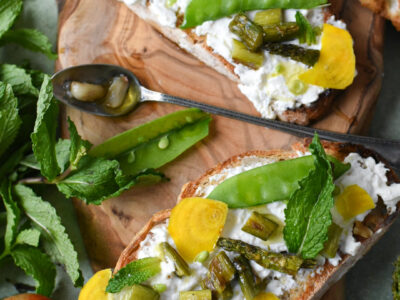
A few pieces of burrata toast with asparagus, snap peas and garlic confit.

Spring Burrata Toast with Roasted Garlic and Asparagus

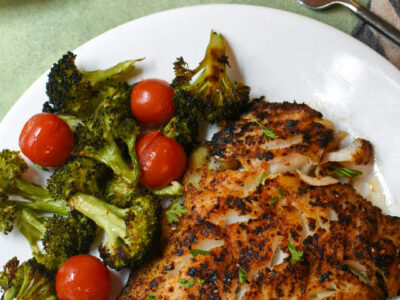
A plate with blackened cod and broccoli and tomatoes over a green surface.

Blackened Cod with Broccoli

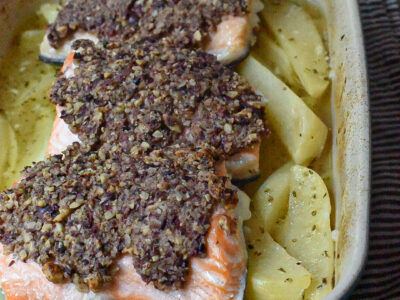
Three pieces of baked walnut crusted salmon over greek potatoes in a blue baking dish.

One Pan Walnut Crusted Salmon With Greek Potatoes

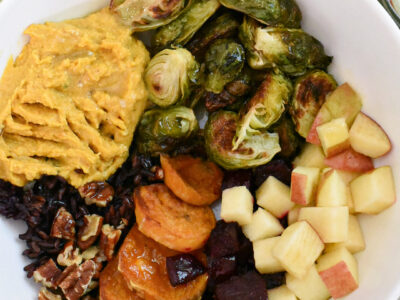
A fall harvest bowl filled with apple, brussels sprouts, sweet potato, pumpkin hummus, beets, wild rice and walnuts.

Fall Harvest Bowl Recipe With Maple Dijon Dressing

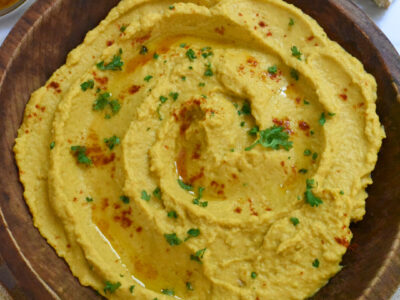
A wooden bowl filled with pumpkin hummus sprinkled with parsley and paprika.

Pumpkin Hummus

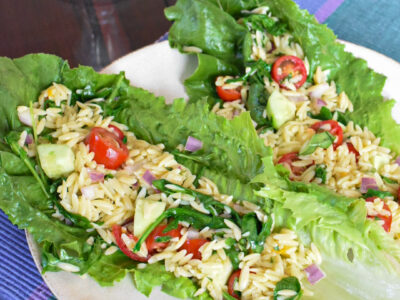
Orzo pasta salad lettuce wraps on a white plate.

Orzo Pasta Salad Lettuce Wraps

Aleppo Pepper

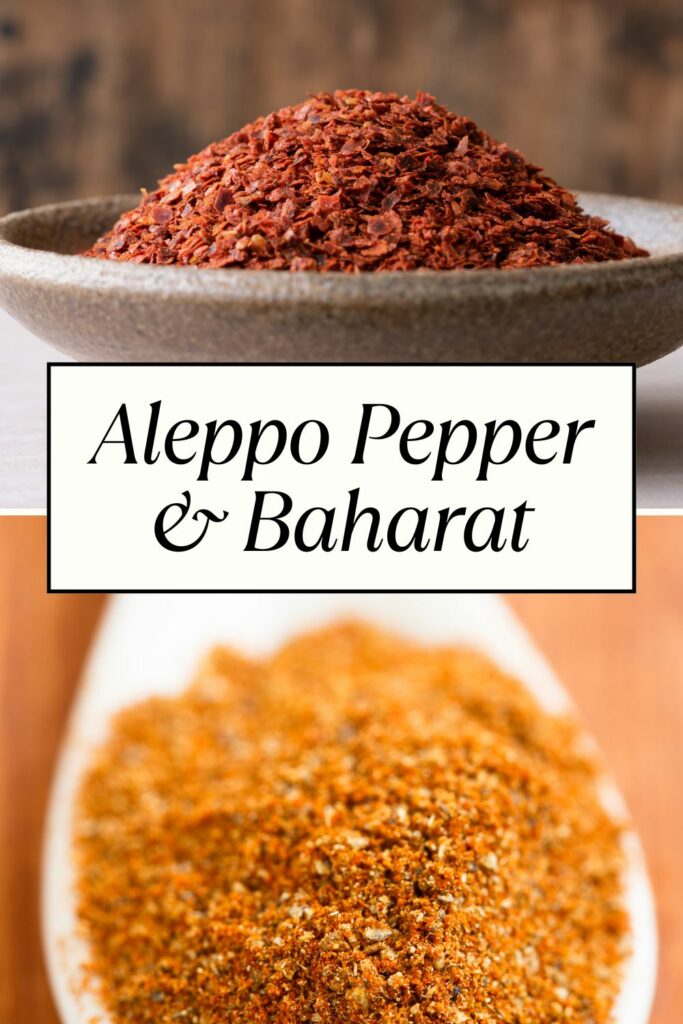
Aleppo pepper comes from the northern Syrian city of Aleppo. The pepper pods are ripened then semi-dried, de-seeded, and crushed or ground. It has a complex flavor with notes of rasin-like sweetness, tang, and slow heat.

Health Benefits of Aleppo Pepper

  • Aleppo pepper is a rich source of Vitamin A, Vitamin C, Folic acid, Potassium and Manganese. It also contains capsaicin which can increase your metabolism and decrease inflammation in the body.

Baharat

Baharat (meaning “spices” in Arabic) is a blend of black pepper, coriander, cardamom, nutmeg, cumin, cloves and cinnamon. It is commonly used as a rub for meats, a seasoning for ground meat and vegetables, and it can also be used as a finishing spice to sprinkle over a meal.

Health Benefits of Baharat
  • The spices used in baharat have a variety of qualities, including antioxidants, anti-inflammatory properties, and the ability to improve gut health and digestion. The spices may also help improve blood pressure and lower the risk of certain diseases.

A photo showing both aleppo pepper and baharat spice.

Caraway

Caraway has been dated all the way back to the ancient Greeks with the medicinal purpose of curing an upset stomach. It is frequently paired with heavier dishes like cheese dishes and meats. Caraway seeds are pungent, floral, and slightly bitter.

Health Benefits of Caraway Seeds

  • Caraway may help to decrease heartburn, bloating, and gas. Caraway oil has also been used by women to help with menstrual cramps and to increase the flow of breast milk.

Cardamom

Cardamom is an intense spice that some compare to mint. Green cardamom is the most commonly found variety in the United States. In the Mediterranean, it’s commonly used in sweet desserts like baklava and savory dishes such as lamb stews and rice pilafs. The spice’s unique blend of citrusy, minty, and spicy notes enhances the complexity of Mediterranean cuisine, making it a cherished ingredient in regional recipes.

Health Benefits of Cardamom

  • Cardamom has antioxidant and diuretic properties that may help to lower blood pressure. Studies have shown that cardamom powder can increase the activity of certain enzymes that help fight cancer.

Cinnamon

I think most of us have tasted cinnamon, especially if you are as obsessed with fall flavors as I am. Cinnamon is warm and woody, with a spicey feeling that is similar to cloves. It is also slightly sweet and smokey, making it a very interesting spice.

Health Benefits of Cinnamon

  • Cinnamon is made from the inner bark of cinnamon, and the oily part is very high in a compound called cinnamaldehyde which is studied for it’s potential health benefits. It is high in antioxidants that fight free radicals in the body, and cinnamon is also beneficial for gut health and even dental hygiene. It also may have anti-inflammatory properties.

Coriander

Both the leaves and seeds of coriander are used in Mediterranean cooking. The seeds have a warm, nutty flavor with a hint of citrus, while the leaves (known as cilantro) are bright and pungent.

Health Benefits of Coriander

  • Coriander seeds are rich in fiber, manganese, iron, and magnesium. They help in lowering blood sugar levels, boosting immunity, improving heart health, and aiding digestion.

A photo showing both cinnamon and ground coriander spices.

Cumin

Cumin has a warm, earthy flavor and is a staple in many global cuisines, especially Indian, Middle Eastern, and Mexican. It is commonly used in spice blends like baharat and za’atar, as well as in marinades, soups, stews, and vegetable dishes. In the Mediterranean, ground cumin is also essential in seasoning meats, such as lamb and chicken, and is often added to rice and grain dishes to enhance their flavor.

Health Benefits of Cumin

  • Cumin is rich in iron, promotes digestion, and may improve blood sugar control. It has antioxidant properties and may help reduce food-borne illnesses due to its antimicrobial effects.

Ground Ginger

Ground ginger has a spicy, slightly sweet flavor and is commonly used in both savory and sweet dishes. It is commonly found in spice blends such as baharat and ras el hanout, which are used to season meats, stews, and vegetables. It is also used in some Mediterranean desserts and baked goods, bringing a subtle spiciness to cookies, cakes, and pastries. Its aromatic and slightly sweet vibe makes it a go-to for boosting the flavor of Mediterranean dishes.

Health Benefits of Ground Ginger

  • Ginger is known for its anti-inflammatory and antioxidant properties. It can help alleviate nausea, reduce muscle pain and soreness, and has been linked to lowering blood sugar levels and improving heart health.

Nutmeg

Nutmeg is warm and nutty with a hint of sweetness, often used in baking and cooking for its unique flavor. It pairs particularly well with creamy sauces and is a key ingredient in dishes like moussaka and béchamel sauce.

Health Benefits of Nutmeg

  • Nutmeg contains compounds that have antioxidant, anti-inflammatory, and antibacterial properties. It may also aid in digestion, improve brain health, and help with pain relief.

Paprika

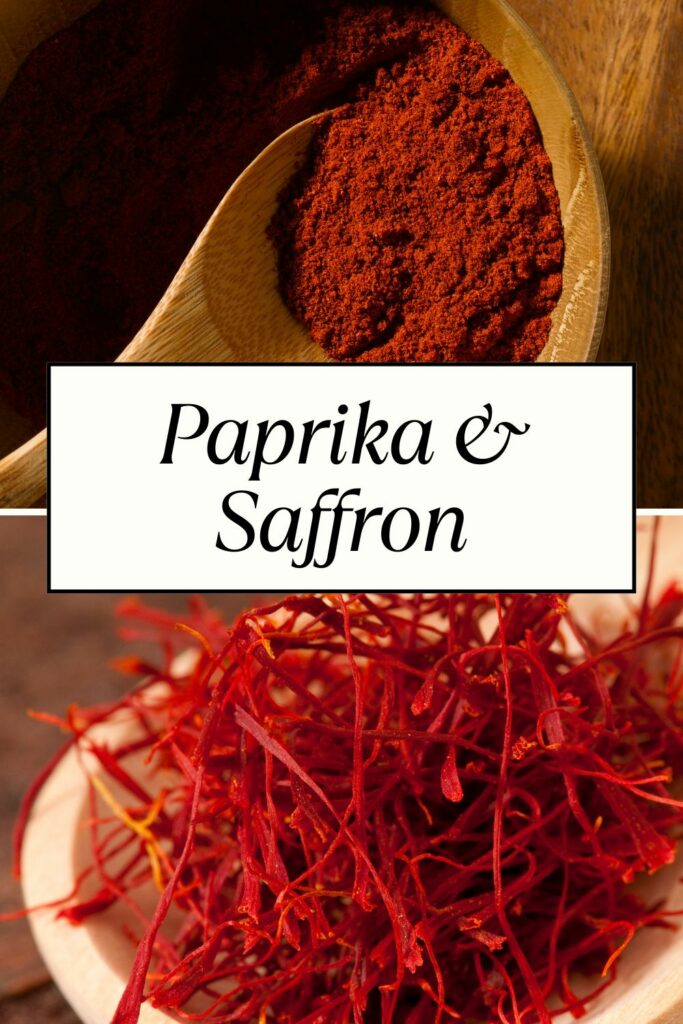
Paprika is made from ground sweet and hot peppers and has a sweet, smoky, and mildly spicy flavor. It is a versatile and widely used spice in Mediterranean diet cooking. It is often used in spice blends like harissa and chermoula, and it is also a key ingredient in traditional dishes like Spanish paella and Hungarian goulash.

Health Benefits of Paprika

  • Paprika is rich in vitamins A, E, and B6. It has antioxidant properties, can improve eye health, and may help reduce inflammation.

Saffron

Saffron has a unique, slightly sweet, and floral flavor and is often used in Mediterranean, Indian, and Middle Eastern cuisines. It’s the key ingredient in dishes like paella and risotto, giving them that distinctive golden color and rich taste. It is expensive, but luckily, just a pinch can transform a recipe from good to amazing.

Health Benefits of Saffron
  • Saffron is rich in antioxidants and has been shown to improve mood, enhance memory, and reduce premenstrual syndrome symptoms. It may also have anti-cancer properties and improve heart health.

A photo of paprika and saffron spices.

Sesame Seeds

Sesame seeds have a nutty flavor and are commonly used in both sweet and savory dishes, as well as in oils and pastes like tahini. They add a delicious crunch to salads and stir-fries, and you can even sprinkle them on desserts for an extra layer of texture. Plus, sesame seeds are packed with nutrients, making them a healthy addition to your meals.

Health Benefits of Sesame Seeds

  • Sesame seeds are a great source of healthy fats, protein, B vitamins, minerals, fiber, and antioxidants. They support heart health, improve blood pressure, and provide anti-inflammatory benefits.

Sumac

Sumac has a tangy, lemony flavor and is often used in Middle Eastern and Mediterranean cuisines as a seasoning or garnish. It’s perfect for adding a zesty kick to salads, meats, and dips, and you can even sprinkle it on roasted veggies for an extra burst of flavor. Plus, it’s a great way to add a pop of color to your dishes.

Health Benefits of Sumac

  • Sumac is high in antioxidants, helps reduce inflammation, and may aid in controlling blood sugar levels. It also has antimicrobial properties.

Tabil

Tabil is a Tunisian spice blend made from coriander, caraway, garlic, and chili powder. It adds a warm, slightly spicy, and aromatic flavor to dishes.

Health Benefits of Tabil

  • The spices in tabil offer various health benefits, including improved digestion, anti-inflammatory properties, and enhanced immune function.

Turmeric

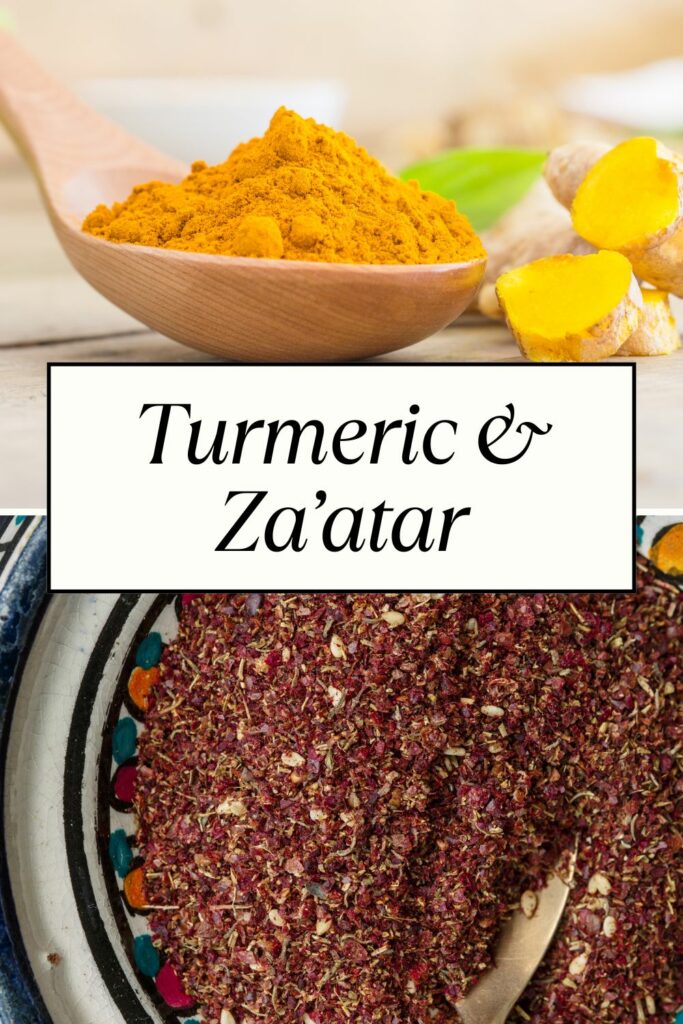
Turmeric has a warm, bitter taste and is widely used in Indian cuisine, especially in curries. It’s also popular in Mediterranean dishes for adding a vibrant yellow color and earthy flavor to rice, stews, and marinades. It’s well known for its health benefits, like anti-inflammatory properties, making it a great addition to your diet.

Health Benefits of Turmeric

  • Turmeric contains curcumin, which has powerful anti-inflammatory and antioxidant properties. It can help improve brain function, lower the risk of heart disease, and may have anti-cancer effects.

Za’atar

Za’atar is a Middle Eastern spice blend typically made from thyme, oregano, sumac, sesame seeds, and salt. It has a tangy, herbal, and nutty flavor. You can sprinkle it on everything from flatbreads to roasted veggies for an instant flavor boost.

Health Benefits of Za’atar
  • Za’atar is rich in antioxidants and has anti-inflammatory properties. It can improve digestion, boost the immune system, and enhance brain function.

Spices turmeric and za'atar being represented in a photo.

More Mediterranean Diet Information

If you are looking for more helpful Mediterranean diet information and resources, check out these other blog posts!
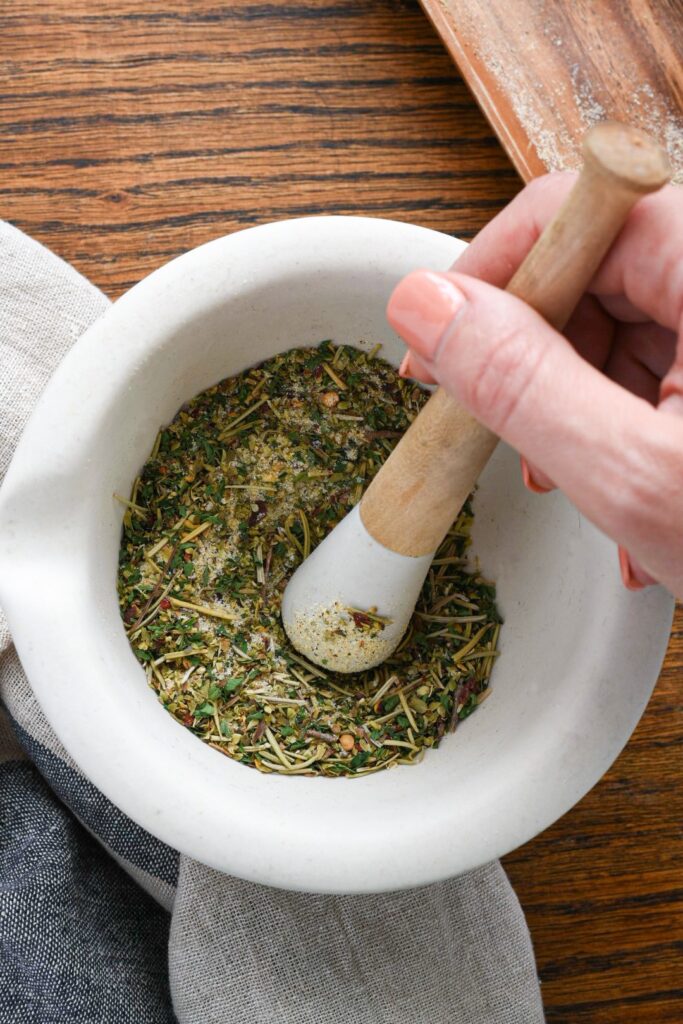
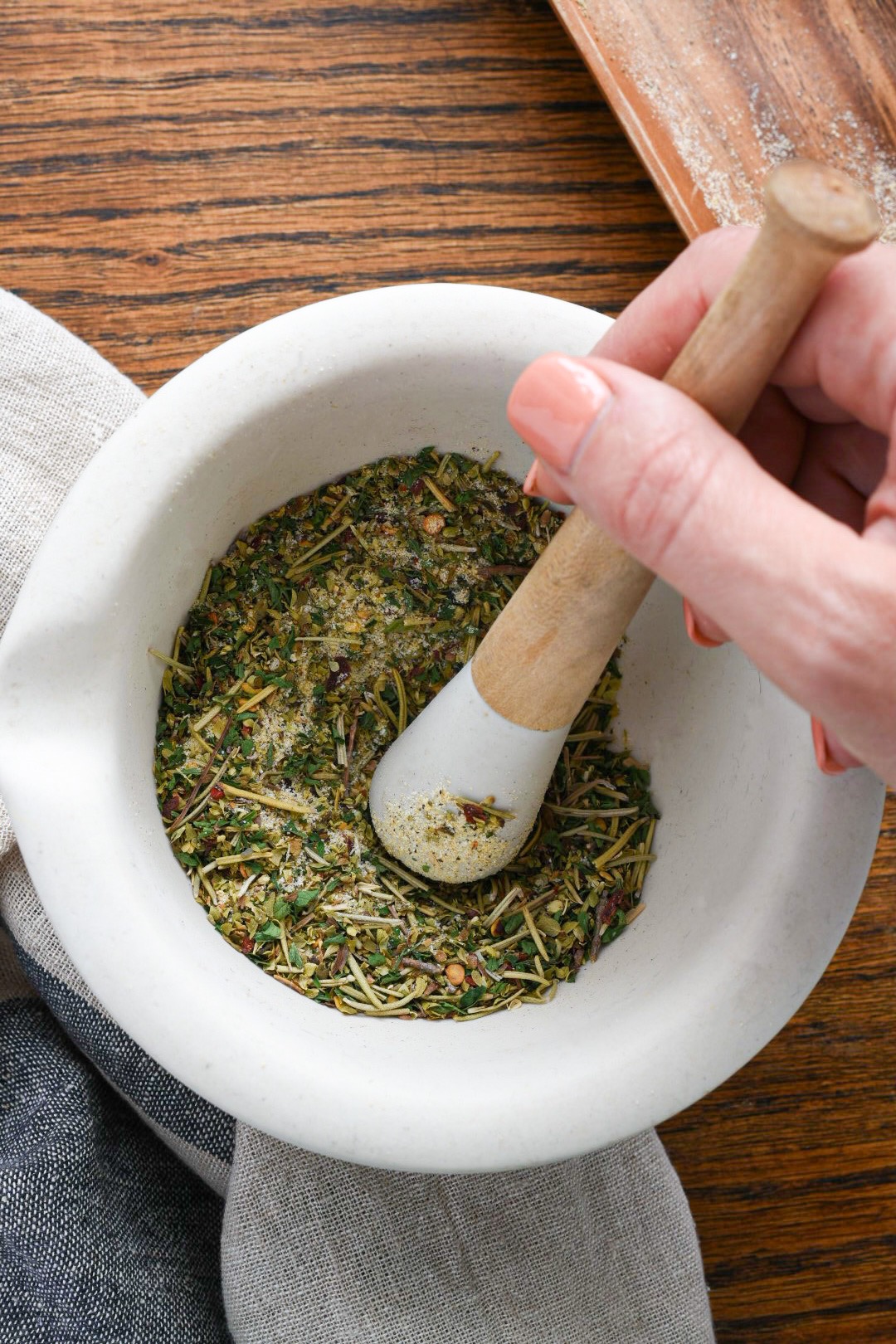
A hand using a mortar and pestle to grind mediterranean diet spices.

Mediterranean Spices and Their Health Benefits

An image with three photos of mediterranean diet recipes that reads '45 easy and delicious Mediterranean diet recipes'

45+ Creative Mediterranean Diet Recipes

Three friends in the kitchen cooking

Embracing the Mediterranean Lifestyle: The Power of Exercise and Social Connections

A photo of healthy soup with an overlay that says "Keto or Mediterranean Diet For Managing Diabetes".

Is Keto or Mediterranean Diet Better For Diabetes?

a close up image of a Mankai plant with the text

What Is The Green Mediterranean Diet and Is It Right For You?

What Foods Are NOT Allowed On The Mediterranean Diet

Category: Mediterranean Diet Info
FacebookTweetPin

Affiliate Disclaimer

My posts may contain affiliate links. Every one of the affiliate companies is a company that I stand by and believe in. If you choose to purchase something through their link on my website, you won’t pay a penny more, but I will receive a small commission. It helps me to continue to create great content for you! Thanks!

Previous Post:Orzo pasta salad lettuce wraps on a white plate.Orzo Pasta Salad Lettuce Wraps
Next Post:Pumpkin HummusA wooden bowl filled with pumpkin hummus sprinkled with parsley and paprika.

Sidebar

Hey, I’m Liz!

I’m SO thrilled to meet you!

I’m a Physical Therapy Assistant turned food blogger, and I know exactly how frustrating feeling low energy can be because I’ve been there too.  My goal is to help people achieve happiness by transforming their overall physical and mental health using blue zone techniques and the Mediterranean way of living. The Mediterranean diet is for everyone!

About Recipe Hippie

Recipe Collections

close up shot of a cast iron skilled with cooked orzo, shrimp, shiitake mushrooms and baked olives recipe

Mediterranean Diet Recipes

Chicken Recipes

A bunch of chickpea blondie squares on parchment paper over a blue rustic wooden surface

Dessert Recipes

Dinner Recipes

A bowl of rosemary roasted chickpeas and walnuts in a wooden bowl surrounded by fresh rosemary sprigs

Vegan Recipes

A roasted butternut squash steak over a bed of couscous with yogurt sauce, pistachios and basil

Vegetarian Recipes

A spatula taking a piece of mediterranean baked cod topped with tomatoes, olives and feta out of a blue baking dish

Seafood recipes

  • Recipes
  • About
  • Must Have’s
  • Contact
  • Meal Plans
  • Facebook
  • Instagram
  • Pinterest
  • YouTube

Copyright © 2020 · Recipe Hippie · All Rights Reserved · Powered by BizBudding

Privacy Manager

FREE MedDIet FOod List

If I was just starting out, these are the foods I would have stocked up on!

Loading